

Introduction
COVID-19 fullform
Coronavirus sickness (COVID-19) is a contagious infection caused by a recently identified coronavirus. The bulk of patients infected with the COVID-19 virus will develop delicate to moderate respiratory tract infection and will recover without the need for special care. Citizens over the age of 65, as well as people, who have pre-existing health issues such as cardiovascular disease, dementia, chronic pulmonary disease, and leukemia, are at a higher risk of serious disease. The COVID-19 pandemic has been the single medical, social, and economic challenge since World War II since the turn of the year 2019 to 2020.
The pandemic has had far-reaching consequences for healthcare services and global migration that were unthinkable only a few years ago, highlighting western society’s vulnerability. More than 85 million people worldwide have been infected with the causative virus SARS-CoV-2 (severe acute respiratory syndrome coronavirus type 2), and more than 1.8 million have died as a result of COVID-19.
Covid-19 and lockdown
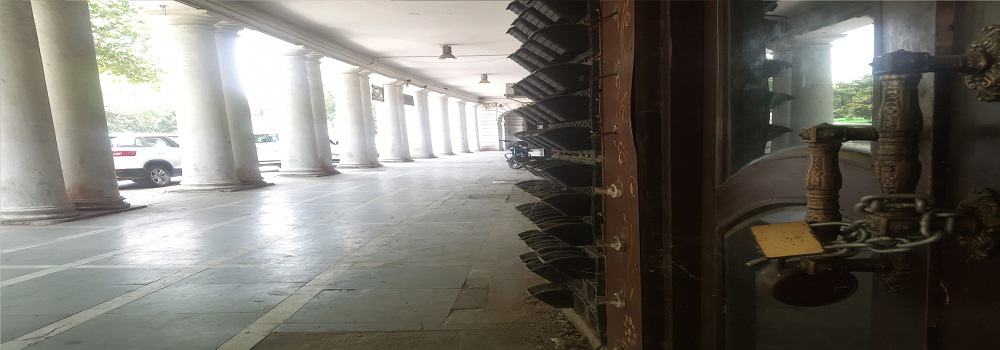
Lockdown was implemented for around a year during the first round of Covid-19. Lockdown is thought to be an important method of slowing the propagation of Covid-19 across the world. Many countries are currently on lockout to prevent the epidemic from spreading further. Before then, intense social distancing is pretty much the only intervention left to hold stable people apart.
Influence of COVID-19 on well being
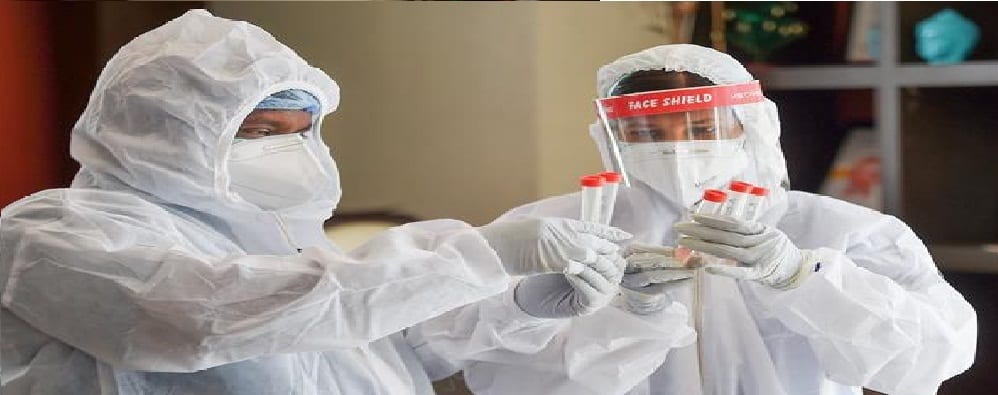
The pandemic crisis has greatly altered the working climate, resulting in high-pressure jobs and unfavorable and demanding relationships between health staff. Frontline health professionals, including physicians, nurses, licensed caregivers, lab technologists, and pharmacists, have been providing their best clinical services to secure human life despite insufficient PPE supplies. Dealing with highly contagious clients has resulted in guilt over possibly exposing their relatives to illness when attempting to navigate life as a healthcare provider and a part of a family.
People who have contracted COVID-19 have faced heightened stigma and social inequality. Many property owners have been Fearing the dissemination of the COVID-19 in their neighborhood, nurses, physicians, and other medical professionals were confirmed to be evicted from their rental apartments. When cured patients come home, they are publicly avoided and discriminated against, resulting in a decline in moral support.
Stigma may have a detrimental impact on clients seeking medical attention while they are at their most vulnerable. Stigma and social injustice will cause people to hide their symptoms and stop getting medical attention, making it very difficult for doctors and the government to monitor the illness. This stigma will deter people from practicing healthier lifestyles which can have a drastic effect. The COVID-19 pandemic has had a major psychological effect on health professionals, teachers, and the general population all over the world.
COVID-19 and it’s Socio-economic scenario
It has also fuelled concerns of an imminent global downturn and stagnation. Social distancing, self-isolation, and transportation constraints have resulted in a reduced population across all economic markets, resulting in the loss of many jobs. Schools have closed, and the demand for commodities and consumer goods has declined. In comparison, the need for medical services has risen greatly. The food industry is now seeing increased demand as a result of impulse purchasing and stockpiling of food goods. The pandemic’s societal distortion has a negative effect on many aspects of culture, theoretically increasing social tensions. Science and openness are needed for disease control. Vaccination gives us hope that we will finally be able to resolve the pandemic.
The effect COVID-19 on the advertising industries
Propaganda and incorrect perceptions are circulating faster thanks to false and unregulated news source websites, which contribute to stereotypes and misconceptions in society . People are being misled by myths about beer, applying spicy peppers, ginger, and garlic to food, and exposing themselves to temperatures above 25° or cold weather and snow to destroy the COVID-19 . As a result, when engaging on social media and other networking channels, it is important to be reflective and aware. WHO, NGOs and Governmental organisations together worked to provide true and factual information regarding COVID-19 scenarios.
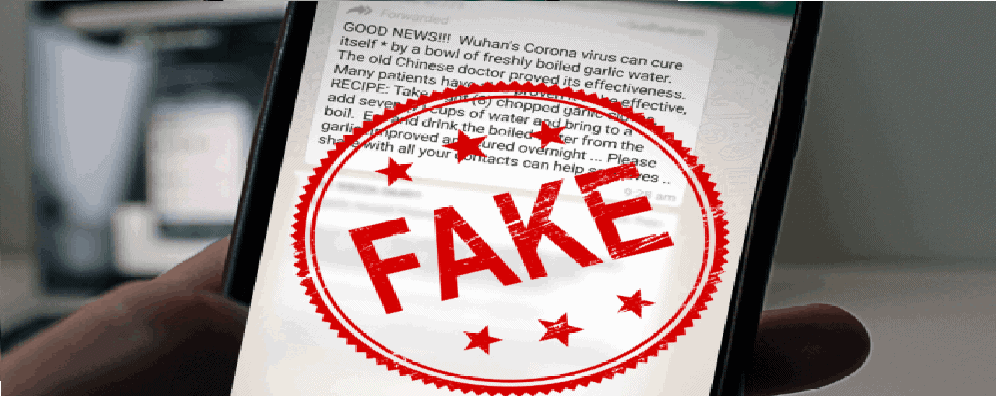
To prevent misinformation, accredited health agencies and the government should offer timely updates through credible portal channels and prohibit unauthorized websites. Many individuals have interpreted the lockdown as holiday time and are pressuring others to partake in strenuous school or job-related practices. Several social networking media tweets, rather than encouraging, are potentially endangering the mental health of members of society during the lockdown. People have different coping mechanisms, and not everyone sees the pandemic lockdown as a chance to understand.
Also Read: COVID 19 CATASTROPHE IN INDIA THE PANDEMIC DESTRUCTION
Conclusion
Economic downturns have put a considerable financial strain on many households, potentially leading to a rise in dysfunctional strife, family breakdown, crime, anxiety, and domestic abuse. The psychological impact of the COVID-19 lockout could last indefinitely, so it is critical to prioritize and discuss coping mechanisms, mental health treatments, and understanding using the available tools. To cope with the present pandemic and potential health crises, the government must provide sufficient health logistics, technology, and trained personnel, as well as improve its ability in health finance to anticipate future opportunities and challenges.
Through improving the healthcare infrastructure, implementing universal health curriculum and education in classrooms, using current healthcare personnel wisely, engaging in and extending the field of healthcare science, and building well-equipped repositories. The fierce battle against COVID-19 can help people win by improving vaccinations and meds; but, in the immediate future, the community must be prepared for psychosocial challenges associated with the epidemic, and plans should be formulated and adopted.
Author: Shivalika Padhi