


Introduction
Europe, the world’s second-smallest continent, is made up of the westward-projecting peninsulas of Eurasia (the great landmass it shares with Asia) and covers nearly one-fifth of the planet’s total land area. The Arctic Ocean borders it on the north, the Atlantic Ocean on the west, and the Mediterranean Sea, the Black Sea, the Kuma-Manych Depression, and the Caspian Sea on the south (west to east). The Eastern Europe(north to south) boundary of the continent runs along the Ural Mountains, then roughly southwest along the Emba (Zhem) River, ending at the northern Caspian coast.
According to the United Nations Statistics Division, Eastern Europe comprises Bulgaria, the Czech Republic, Hungary, Poland, Romania, the Russian Federation, and Slovakia, as well as the republics of Belarus, Moldova, and Ukraine.
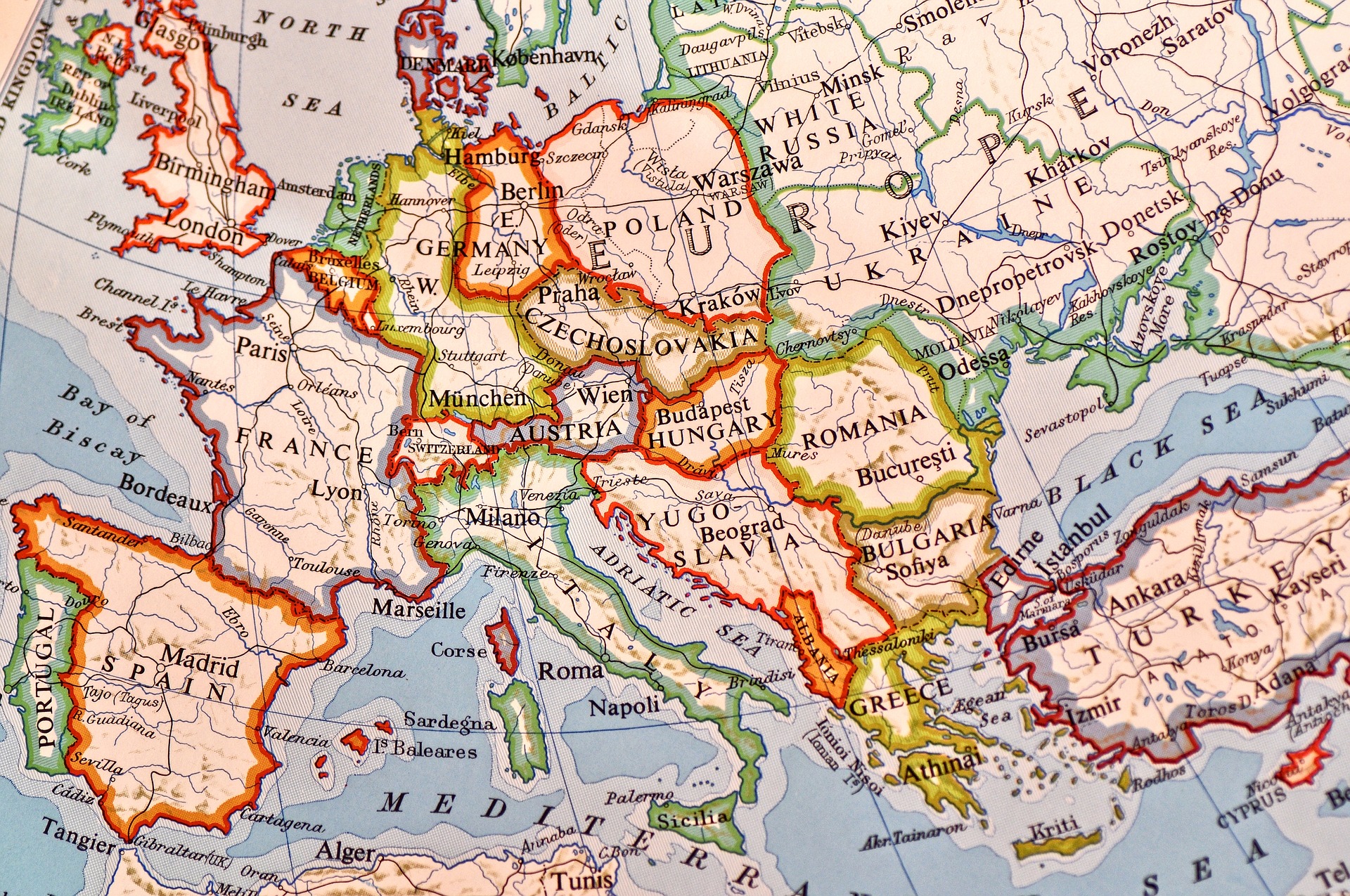
Due to the idea of the “Iron Curtain” dividing Western Europe and Soviet-controlled Eastern Europe during the Cold War, the word “Eastern Europe” is sometimes used to refer to all European countries that were formerly governed by communist regimes (the Eastern Bloc). East Germany was sometimes referred to as an Eastern European nation before German reunification.
Geography of Eastern Europe
Novaya Zemlya, Franz Josef Land, Svalbard, Iceland, the Faroe Islands, the British Isles, the Balearic Islands, Corsica, Sardinia, Sicily, Malta, Crete, and Cyprus are among the world’s largest islands and archipelagos. Jutland, as well as the Scandinavian, Iberian, Italian, and Balkan peninsulas, are among the country’s major archipelagos. European highly irregular coastal zone is about 24,000 miles (38,000 km) lengthy, delineated by countless basins, snowy peaks, and coastal waters.
The country’s northeastern region is densely forested, with lakes and glacial ridges. The Vistula, Danube, Volga, Dnepr, Don, Elbe, Rhône, and Ural rivers are major rivers in Eastern Europe.
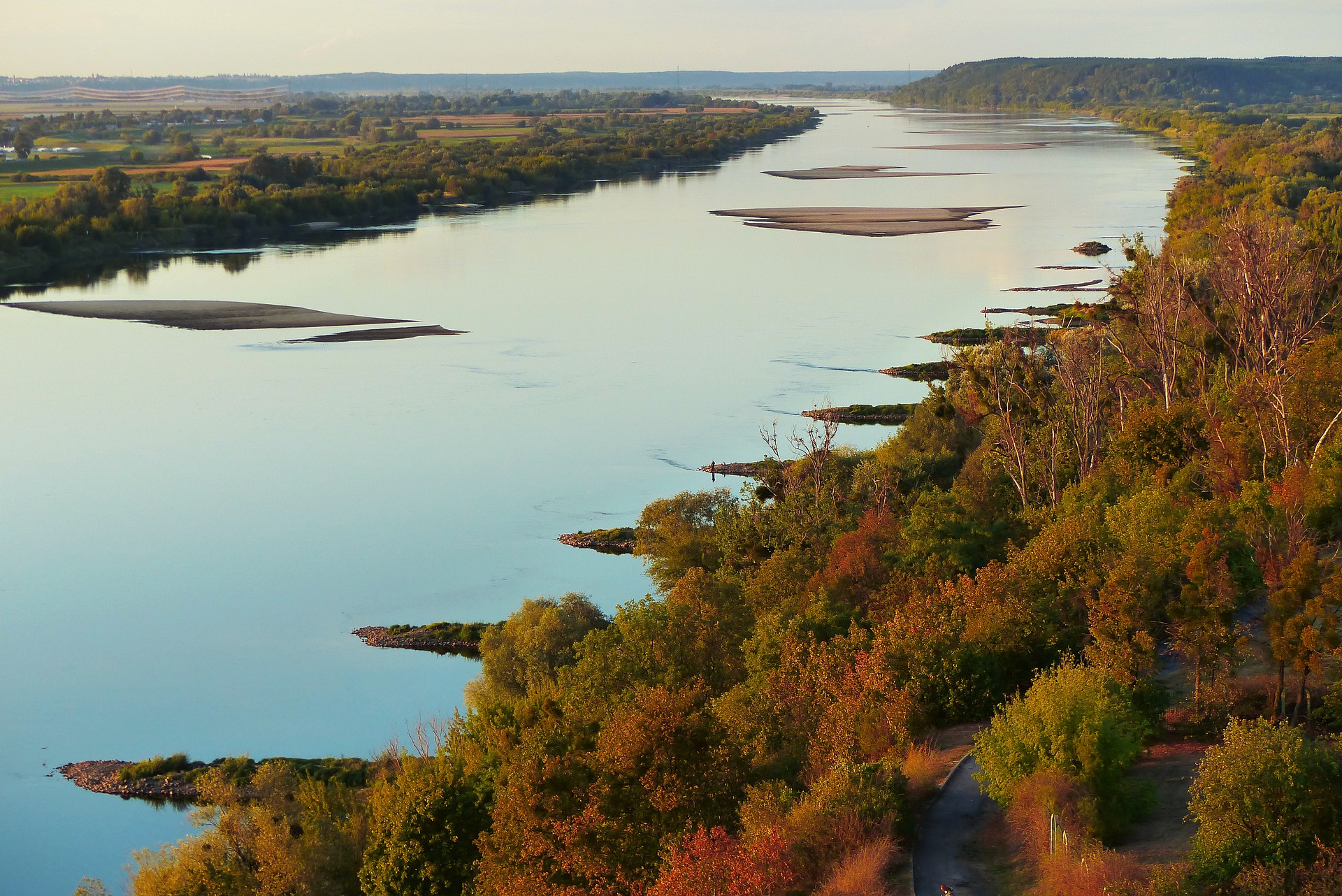
Eastern Europe is usually considered to be bounded on the north by the Baltic and Barents coasts; on the south by the Adriatic, Black, and Caspian seas and the Caucasus Mountains; and on the east by the Ural Mountains.
The western part of the country is mostly made up of glaciated plains. Mountains and highlands associated with the Alpine region dominate the west-central area, with river valleys and longitudinal basins interspersed between the highlands. The eastern portion is covered by a wide, relatively flat, stable geologic plateau.
Places to visit in Eastern Europe
The following are the places in East Europe where you can go for a road trip;
Poland
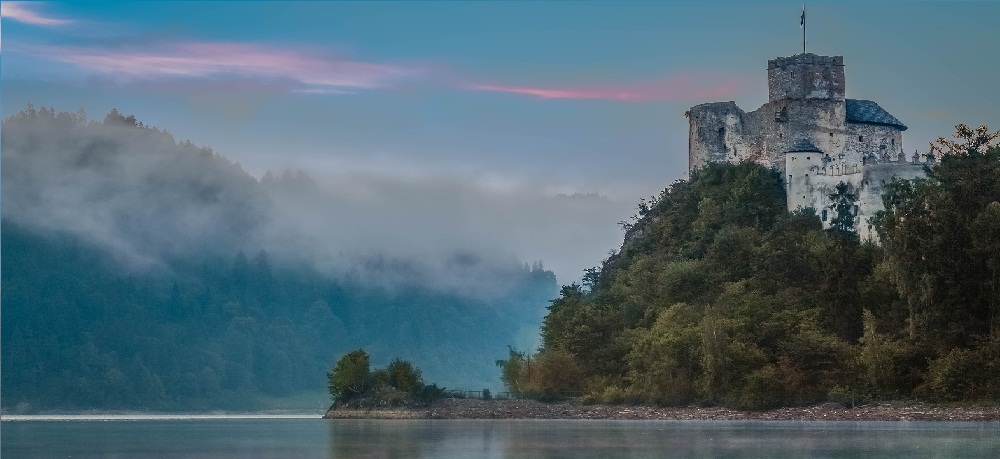
Poland is located in the northwestern part of the Eastern Europe region. This culturally diverse, easy-to-travel destination is a traveller’s dream, with major cities and small towns tucked into every corner of the world, each with its history to share. Polish history, with its many holidays, seasonal rituals, colourful folk costumes, and beautiful handicrafts, adds to Poland’s allure as a travel destination.
Poland has a heritage that goes back almost a thousand years, with beautiful medieval buildings, relics of WWII and its destruction, and castles and palaces in every corner of the world. However, this ancient country is now home to extensive national parks, which are located across the country.
However, this ancient land is also home to vast national parks, mountains, and lakes, as well as almost infinite paths cutting through virgin nature only waiting to be discovered. Whatever your reason for visiting Poland, our list of the best places to travel in Poland will help you find the most beautiful destinations.
Places to visit in Poland:
Warsaw
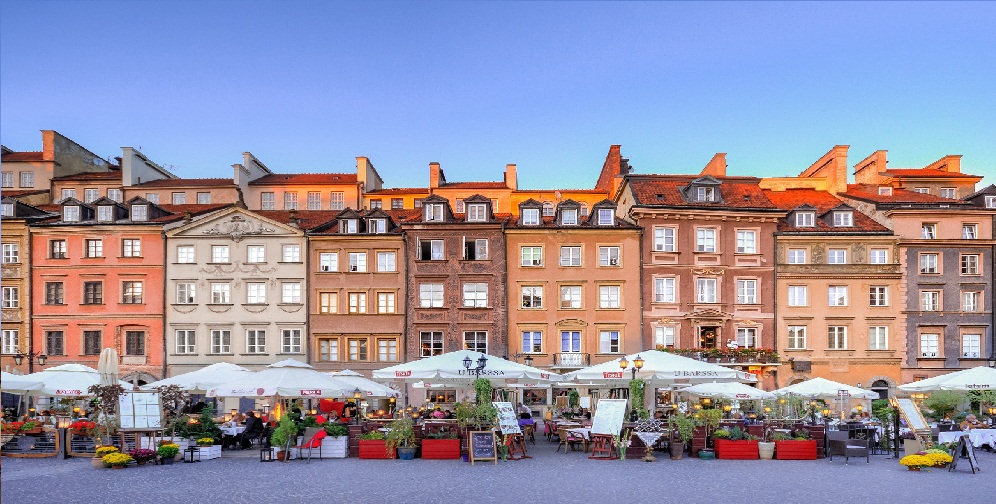
Poland’s capital is a vibrant, urban destination with a historic heart that has been meticulously restored to its pre-war beauty.
Post-WWII, almost 85 percent of Poland’s dwellings were reduced to ash or deliberately reduced to rubble by Nazi forces, leaving the city in ruins. As soon as the war ended, the city launched a major campaign to rebuild its ancient core according to original plans. As a consequence, today’s Baroque and Renaissance trading houses are exact replicas of the origins. The Natural History Museum, which recounts the state’s history, also holds Poland’s largest pieces of art, including a selection of pieces from Adolf Hitler’s library.
Although there aren’t as many parks in Warsaw as there are in Krakow, Lazienki Palace, and its elegant lawns more than cover allowances for it. This 18th-century palace is flanked by 76 hectares of the urbanised area and houses a planetarium, an outdoor cinema, pavilions, and other attractions.
Krakow
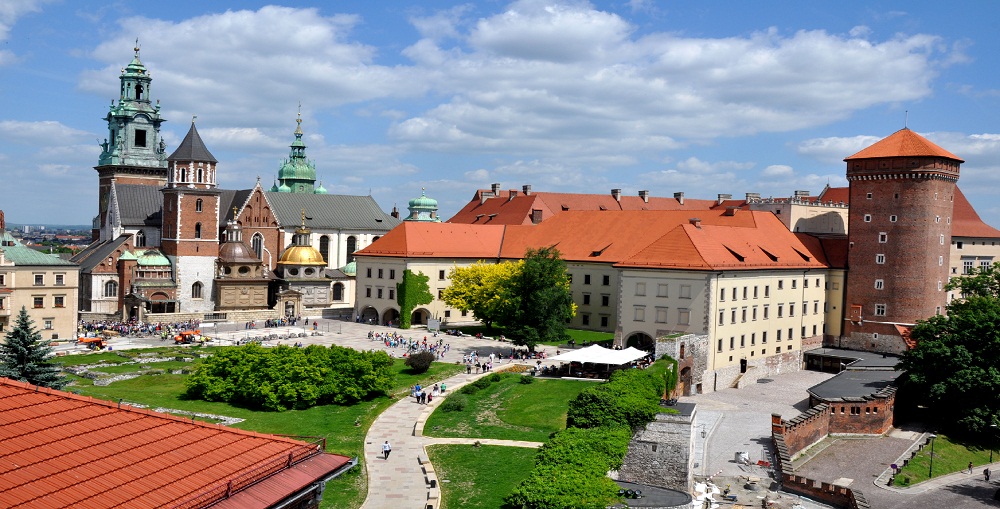
Krakow, one of Poland’s oldest cities and of Eastern Europe, was first settled in the 7th century. Krakow’s Old Town centre preserves its beautiful medieval architecture after escaping the majority of the WWII devastation that fell on other Polish towns.
The Wavel Castle and the ancient city of Kazimierz, also known as the Old Jewish Quarter, are both UNESCO World Heritage Sites in the region.
On rainy weather, the National Art Gallery at the Wawel is also a must, as are period furniture, a large collection of Flemish stained glass windows, the royal jewels, and a collection of arms and armour dating back to the 15th century.
The Rynek Underground museum offers an unusual, in-depth look at ancient Krakow and its streets.
Tatra Mountains
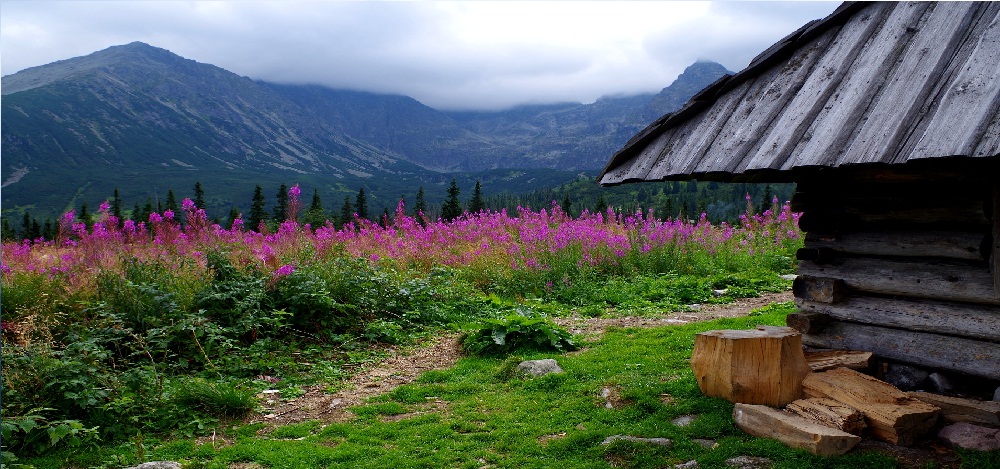
The Tatra Mountains and National Park form a natural boundary between Slovakia and Poland, even though the majority of the mountain range is in Slovakia. Since there are no longer any borders between EU countries, it is now possible to conveniently hike between them. About 270 kilometres of hiking trails can be found on the park’s Polish side.
Rysy, Poland’s highest peak, is situated in the Polish Tatras. It is the highest Tatra’s peak in either country that can be climbed without the assistance of a park guide, standing at 2,500 meters. Furthermore, the park contains over 600 caves, the largest (23 kilometers) and the deepest of which is Wielka Sniezna, a limestone cave system (824 meters).
After Poland the next place is Croatia.
Croatia
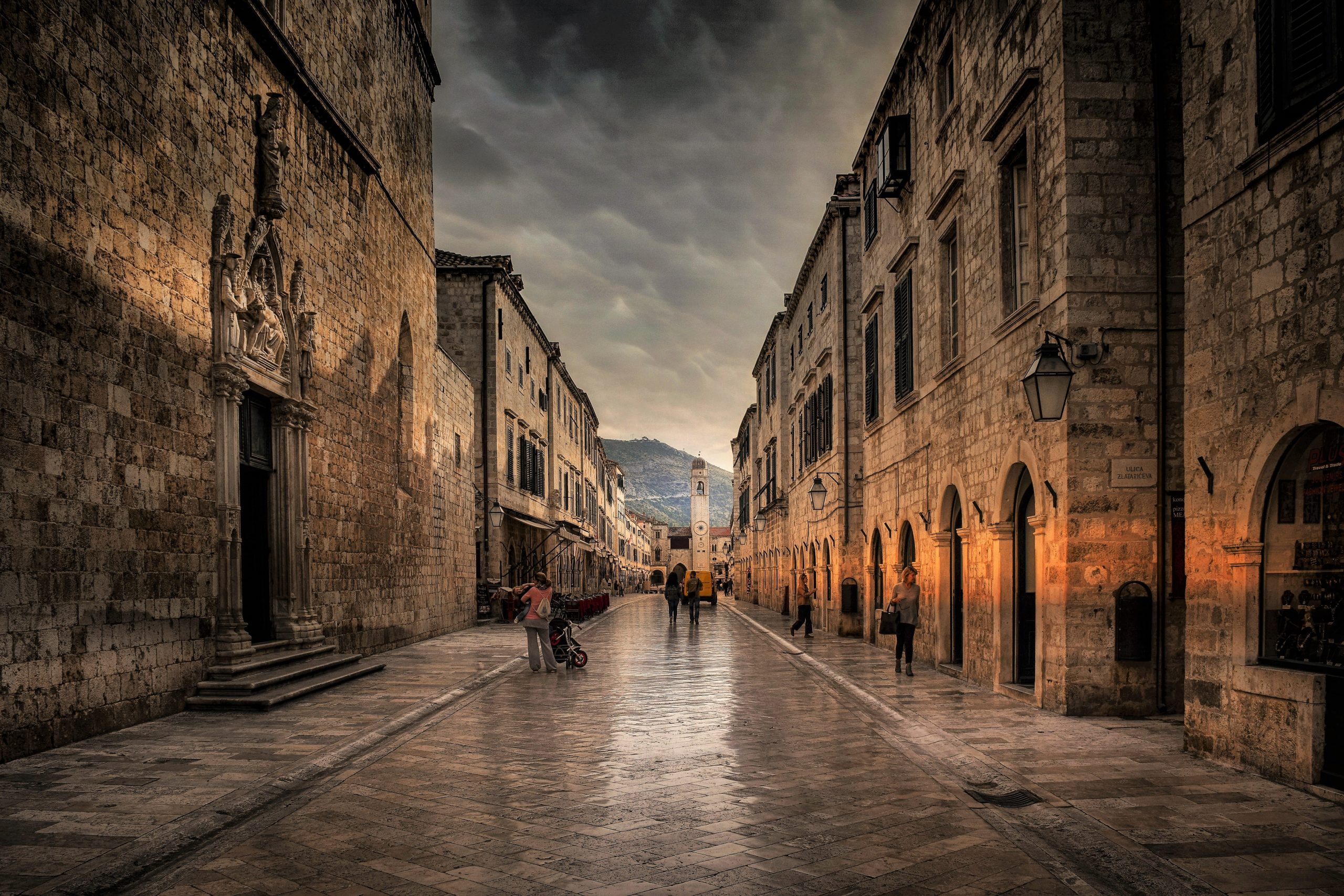
Croatia’s position on the Adriatic Sea and its long coastline are justification enough to visit; its plethora of enchanting cities is a bonus. Although other Southeastern European countries continue to struggle to draw tourists, Croatia has awakened the tourism industry to its limitless potential: Cruise ships call at its ports, and spring breakers flock to its beaches.
Dubrovnik is the tourist darling of Croatia, due to a picturesque medieval-era old town jutting out into the sea itself. Split, located farther north along the coast, is notable for being the site where Roman Emperor Diocletian constructed himself a comfortable little palace almost 1,700 years ago.
Much farther inland is Zagreb, with its neoclassical architecture and hiking opportunities in the stunning Krka National Park it’s a treat for the tourists. With one’s list of the best places to visit in Croatia, you can plan your journey to this stunning European travel destination.
Slovenia
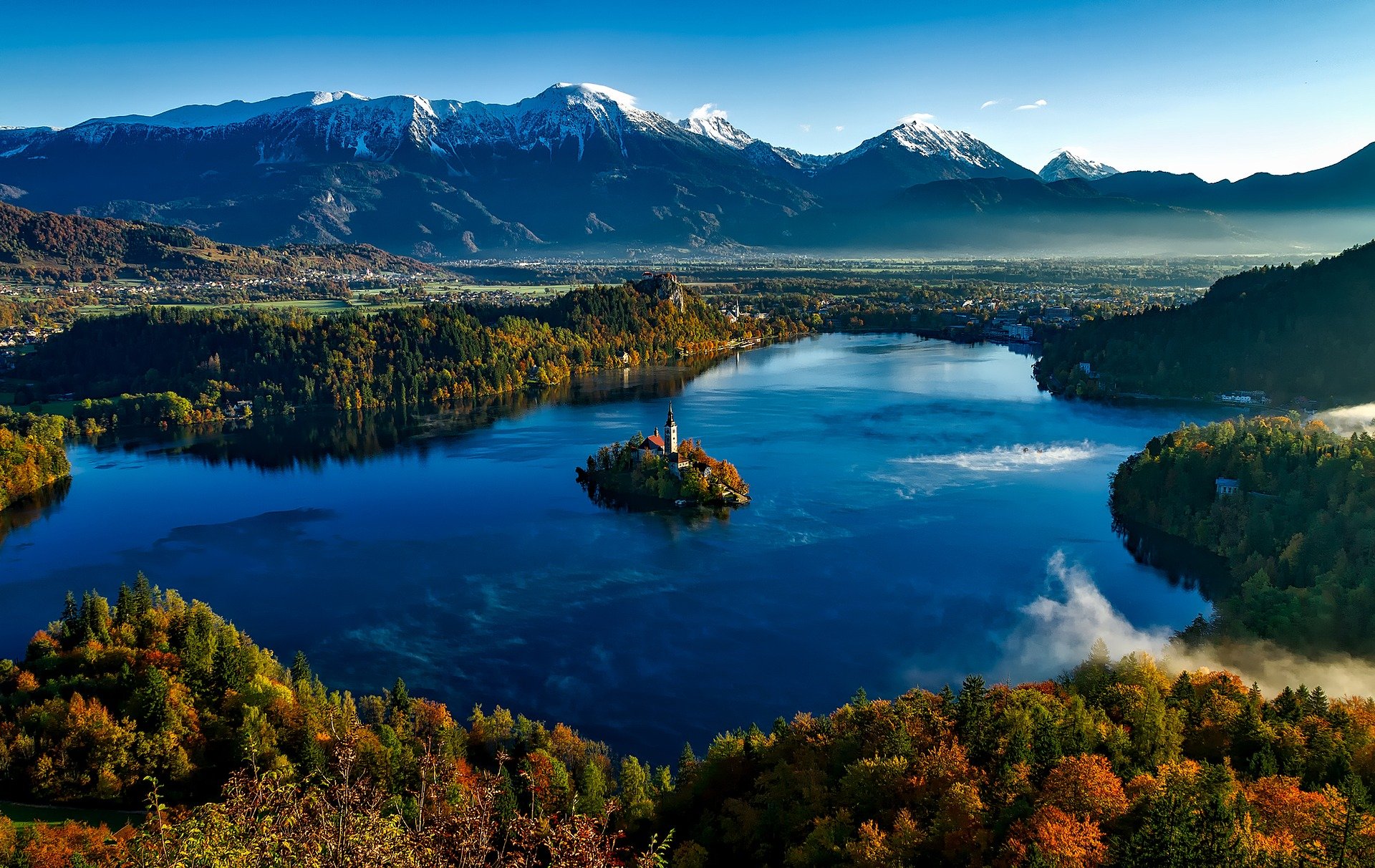
Slovenia, with its country’s capital of Ljubljana, is a country in Central Eastern Europe that is establishing itself as a destination for people of all ages.
Ljubljana has a quaint main square that is alive with activity from Easter to New Year’s. Reach the top of Ljubljana Castle for panoramic views of the capital, or take a scenic walk along its cypress waterway. Restaurants, pubs, restaurants, museums, and tourist attractions can fulfil the thirst for Slovenian culture.
Slovenia is well-known for its natural beauty; tunnels, cliffs, and lakes abound in this Eastern European region. Lake Bled, for example, attracts both residents and tourists who come to be awed by its crystal clear waters and Caucasian mountains. A fortress, as in other Slovenian sanctuaries of nature worship, brings to the fairy-tale setting.
Also Read: Entertainment Sources: A Medium of Earning in 21st Century.
Albania, Kosovo, Macedonia
A geographical area in South- Eastern Europe is occupied by three small countries. Albania, Kosovo, and Macedonia are among them.
Albania
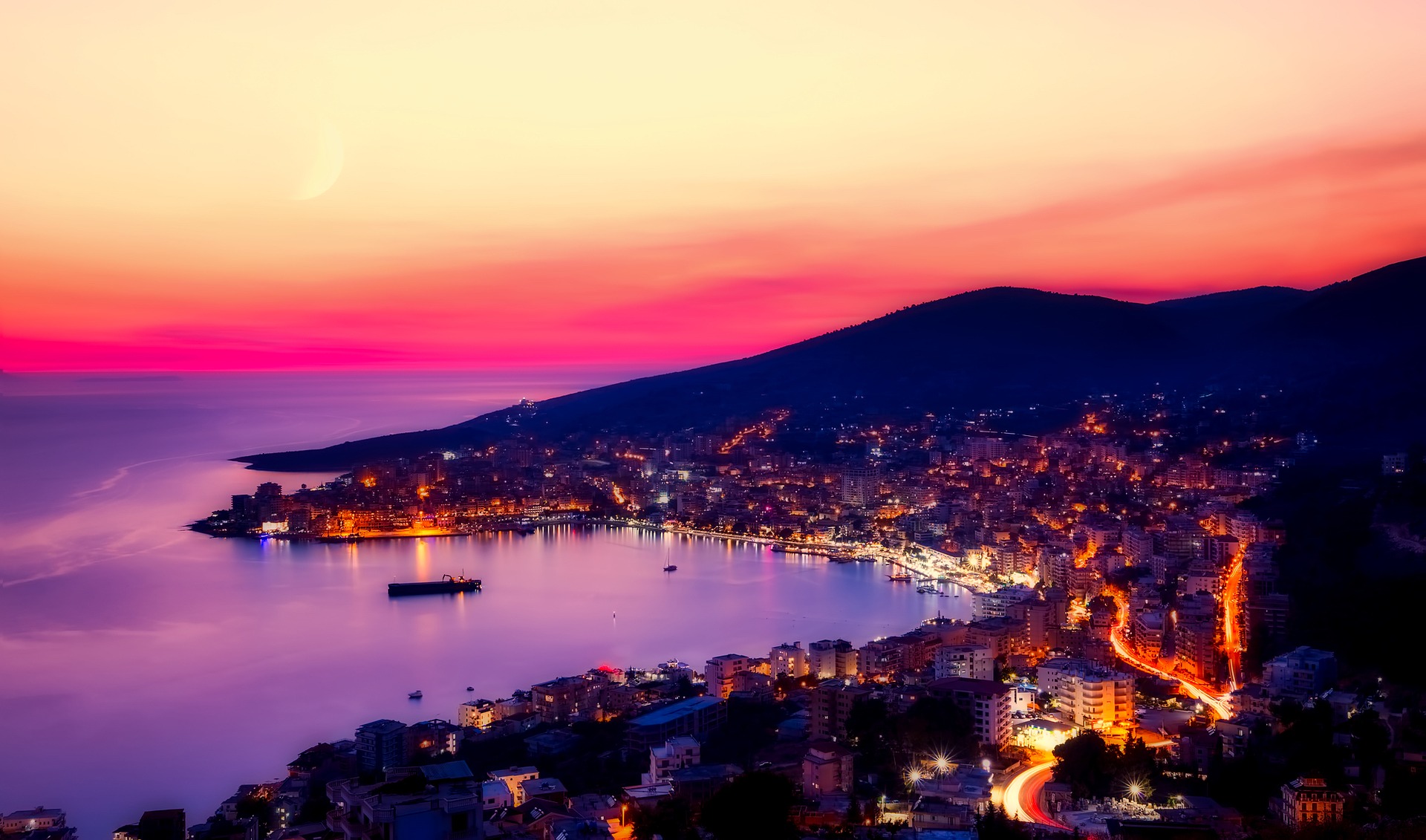
Albania has both a seacoast and mountain ranges ideal for skiing, and these two factors have contributed to the country’s tourism industry’s continued development. Gjirokastra has been named a heritage city for its preservation of a way of life, providing a unique look at Albanian history.
Aside from the breathtaking views of Eastern Europe countries, Albania is a lesser-known destination that is gaining prominence over time. When planning a trip to this Balkan country, every traveller’s first thought is, “which locations to explore in Albania?” ” Unlike some other places, this country is full to discover, beginning with ancient cities, medieval period castles, sandy beaches, and Ottoman architectures littering the streets.
Kosovo
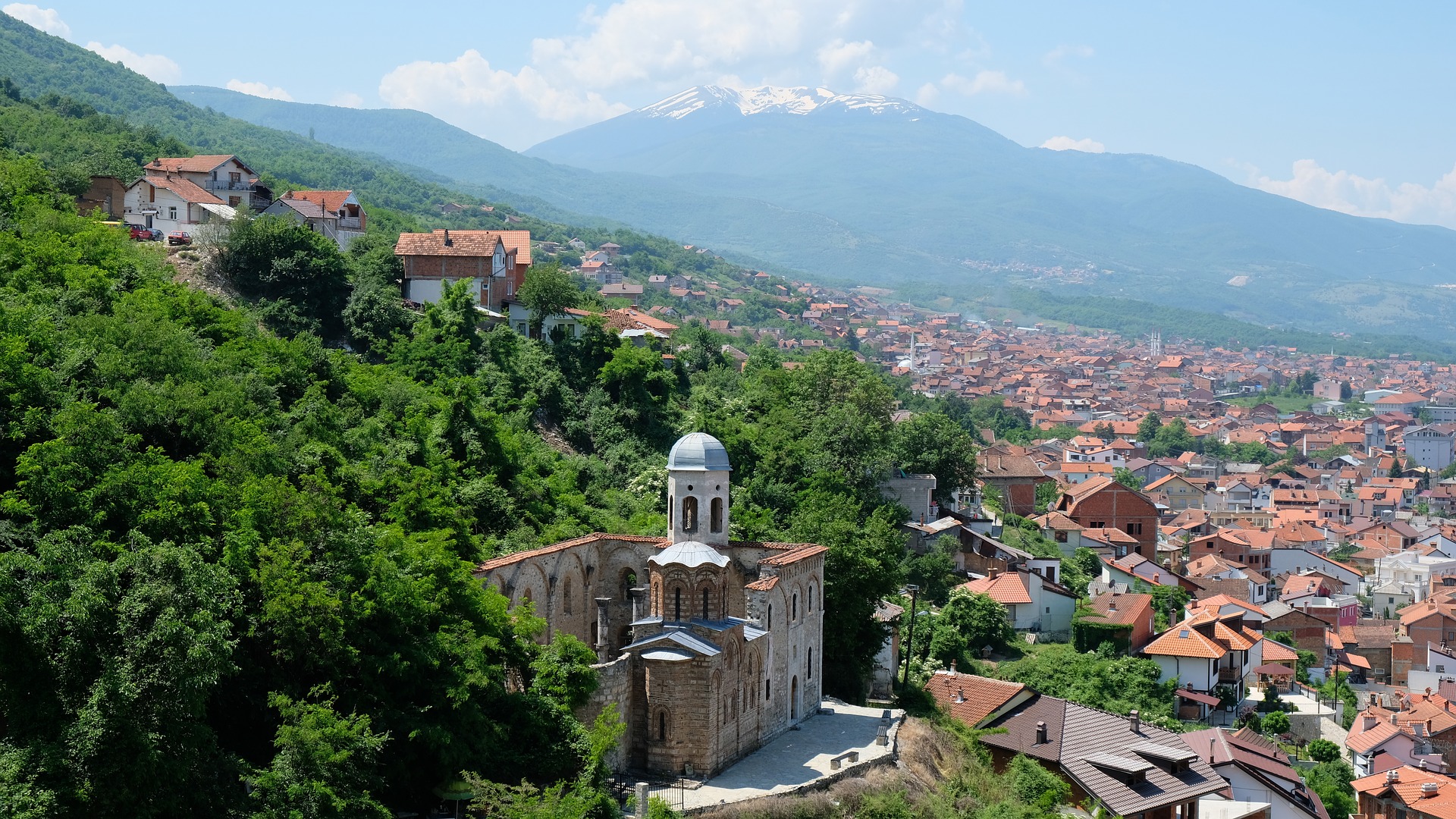
Kosovo, despite its small size, has a wide range of characteristics. The Sharr Mountains in the southeast and the Albanian Alps in the southwest have plenty of natural diversity, as do the central plains and valleys. Kosovo has a lot to come in terms of culture, including an impressive UNESCO World Heritage Site and a few interesting towns. Unfortunately, this tiny nation in the heart of the Balkans is now mostly identified with the Kosovo War of 1998 and 1999, which was part of Yugoslavia‘s tumultuous breakup in the 1990s. Such incidents, though, are now two decades in the past, and Kosovo is once again a peaceful place to visit.
Macedonia
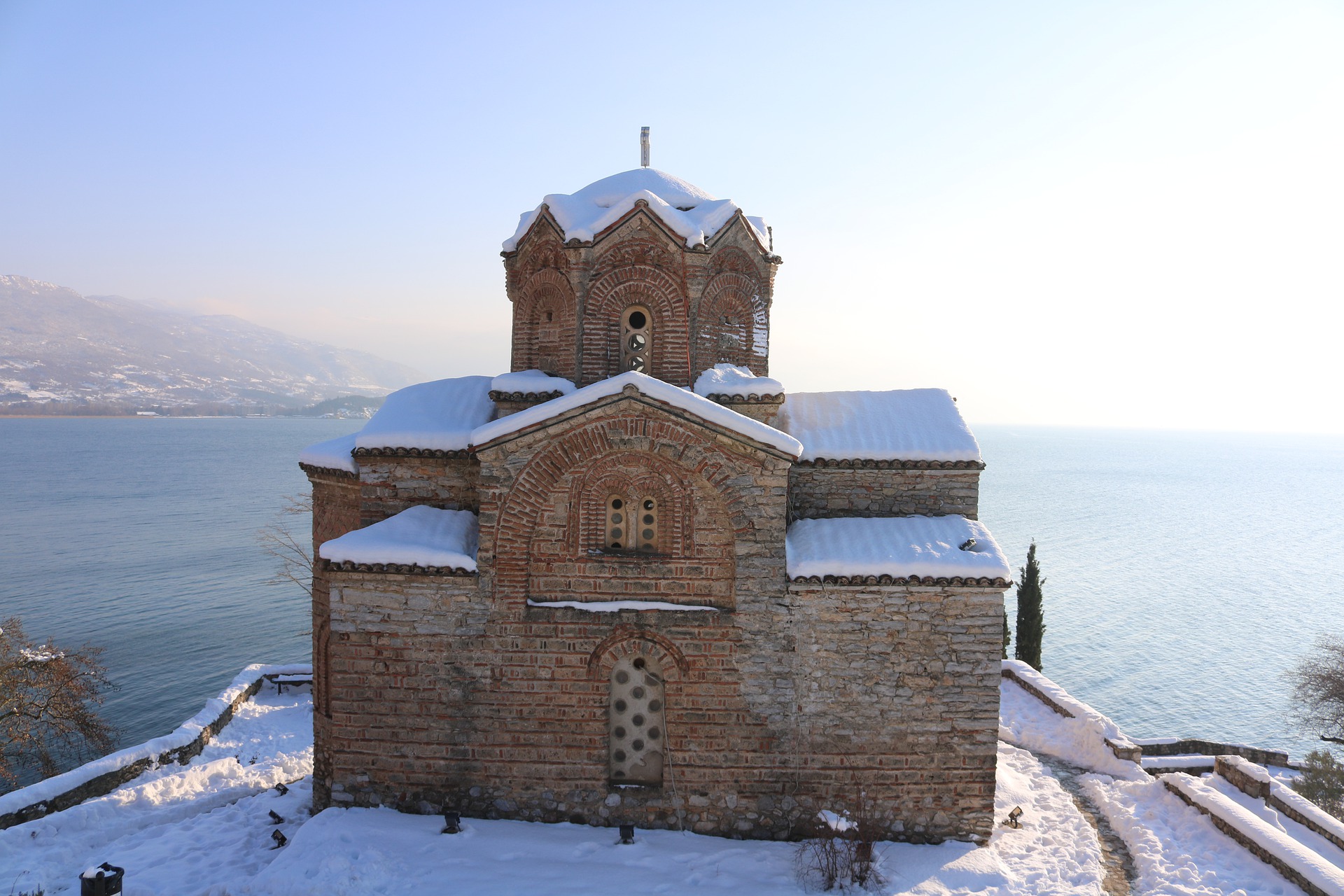
Macedonia is often ignored as a holiday destination due to its lack of coastline and inland position and is largely unvisited even by Europe’s most experienced travellers. Nonetheless, the region is home to some of the continent’s most jaw-dropping landscapes, as well as a slew of secret, gorgeous attractions, thanks to its UNESCO world heritage national parks, stunning mountain ranges, and the captivating Lake Ohrid.
Conclusion
Eastern Europe countries are largely neglected in favour of more well-known West European destinations, but that shouldn’t be the case. Eastern Europe, with its great heritage, stunning scenery, and cultural diversity, offers a plethora of locations to visit – all at a far lesser cost.
Author: Shivalika Padhi.


Very well written with interesting facts..